
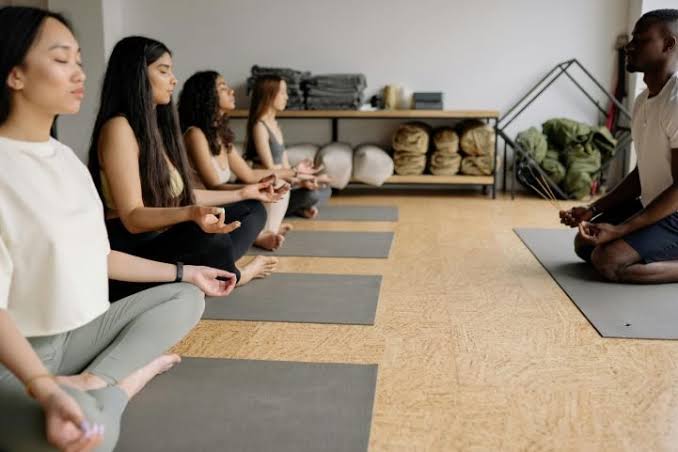
Meditation is often associated with peaceful surroundings, calming music, guided instructions, and quiet spaces. However, one important element of meditation is sometimes overlooked: silence. It does not require special equipment, a particular location, or a complicated routine. It simply involves creating moments without unnecessary sounds or distractions.
Silence can give you an opportunity to observe your thoughts, notice your breathing, and become more aware of the present moment. It can also help you understand how your mind responds when external stimulation is reduced.
A balanced meditation practice does not have to involve complete silence every time. Some sessions may include music or guidance, while others may focus entirely on quiet observation. Understanding how to use both approaches can help you develop a routine that feels natural and sustainable.
Why Silence Is An Important Part Of Meditation
Daily life exposes us to a constant stream of sounds and information. Conversations, traffic, notifications, television, and digital entertainment can make quiet moments less common.
Meditation offers an opportunity to step away from some of these distractions.
Silence can play several roles in this process:
- Encourages self-observation: Without continuous external input, you may find it easier to notice your thoughts and feelings.
- Creates space for reflection: Quiet moments allow you to consider experiences without immediately reacting to them.
- Supports present-moment awareness: You can pay attention to breathing, posture, and physical sensations.
- Reduces external stimulation: A quieter environment may make it easier to settle into a meditation session.
- Builds patience: Sitting quietly without expecting immediate results can help you become more comfortable with stillness.
Silence does not mean that your mind must become completely empty. Thoughts will naturally appear. The practice involves noticing them without feeling obligated to follow every thought.
Silence Does Not Mean You Must Meditate In A Perfectly Quiet Room
One common misunderstanding is that meditation requires complete silence. In reality, it is possible to practise in ordinary environments where some background sounds are unavoidable.
For example, you might hear:
- Birds outside your window.
- A ceiling fan or air conditioner.
- Distant traffic.
- People speaking in another room.
- Occasional household sounds.
Instead of becoming frustrated by every sound, try noticing it and gently returning your attention to your chosen meditation focus.
The objective is not to control everything around you. It is to develop a more balanced relationship with your surroundings.
Different Ways To Include Silence In Your Practice
There is no single method for incorporating silence into meditation. You can experiment with different approaches depending on your comfort and experience.
<AsyncImageGroup query={[“minimal peaceful meditation room empty cushion natural sunlight”,”person sitting quietly meditating near window morning light”,”serene nature meditation spot quiet forest”]} aspectRatio=”5:4″ layout=”carousel”/>
1. Begin With A Few Minutes Of Quiet
If you usually meditate with guided instructions or music, start by sitting quietly for two or three minutes.
Choose a comfortable position, relax your shoulders, and allow your breathing to remain natural.
You do not need to concentrate intensely. Simply notice the experience of sitting without additional audio.
2. Practise Breath Awareness
Breathing provides a simple point of focus during silent meditation.
Pay attention to the natural movement of your breath as you inhale and exhale. Notice the sensation around your nose, chest, or abdomen.
When your attention moves towards other thoughts, acknowledge the distraction and gently return to your breathing.
3. Observe Your Thoughts Without Judgement
Silence can make your thoughts more noticeable. You may remember unfinished tasks, replay conversations, or think about future responsibilities.
Rather than trying to stop these thoughts, observe them as they arise.
Imagine that you are watching passing clouds. You can notice each thought without needing to hold on to it.
4. Try A Short Walking Meditation
Meditation does not always require sitting in one position.
Find a safe, quiet place and walk slowly. Pay attention to the movement of your feet, the contact between your body and the ground, and the surrounding environment.
This approach can be useful for people who find extended sitting uncomfortable.
Guided Meditation And Silent Meditation: Understanding The Difference
Both approaches can have a place in a balanced routine. The choice depends on your experience, comfort, and purpose.
| Aspect | Guided meditation | Silent meditation |
| Instructions | Uses spoken guidance | Relies on personal attention |
| Sound environment | Usually includes a voice or audio | Involves minimal or no added audio |
| Beginner experience | Can provide a clear starting point | May require more patience initially |
| Focus | Follows instructions or prompts | Observes breathing, thoughts, or sensations |
| Flexibility | Depends on the selected recording | Can be adapted freely |
| Personal preference | Suitable for people who enjoy guidance | Suitable for people comfortable with quiet |
You do not have to choose one method permanently. Alternating between them can keep your practice flexible.
How To Build A Balanced Meditation Routine
A useful meditation Hindi routine should be easy to repeat. Instead of beginning with long sessions, build consistency through short periods of practice.
Here is an example of a simple weekly approach:
| Day | Meditation style | Suggested duration |
| Monday | Silent breathing meditation | 5 minutes |
| Tuesday | Guided meditation | 10 minutes |
| Wednesday | Quiet observation | 5 minutes |
| Thursday | Walking meditation | 10 minutes |
| Friday | Guided relaxation | 10 minutes |
| Saturday | Silent meditation | 10 minutes |
| Sunday | Personal choice | 5–15 minutes |
Adjust the schedule according to your availability. If a particular method feels uncomfortable, choose another approach rather than forcing yourself to continue.
What If Silence Makes You Feel Restless?
For some people, sitting quietly can initially feel uncomfortable. Without music, instructions, or other distractions, everyday thoughts may become more noticeable.
This is a normal experience and does not mean you are meditating incorrectly.
Try the following adjustments:
- Start with shorter sessions instead of attempting long periods of silence.
- Keep your eyes gently open if closing them feels uncomfortable.
- Use natural breathing as an anchor for your attention.
- Choose a familiar and comfortable location.
- Allow thoughts to come and go without criticising yourself.
- Return to guided meditation whenever you need additional structure.
If quiet meditation increases distress, pause the practice and choose a more comfortable activity. Meditation should not become another source of pressure.
Exploring Meditation Through Different Languages And Traditions
Meditation practices are found in many cultures and traditions. Learning about these approaches can help people discover methods that suit their interests and personal preferences.
For instance, someone exploring Meditation Hindi resources may find explanations of breathing awareness, mantra repetition, silent observation, and traditional meditation concepts in a familiar language.
Language can make instructions easier to understand, particularly for beginners. However, the fundamental experience of paying attention to the present moment does not depend on the language used.
You can also explore different meditation traditions without feeling that you must follow every practice exactly as described.
Bringing Mindfulness Into Everyday Quiet Moments
Meditation does not have to happen only during a scheduled session. You can also practise awareness during ordinary activities.
This is where Mindfulness Meditation connects with everyday life.
Consider these simple examples:
While drinking tea: Notice the warmth of the cup, its aroma, and the taste of each sip.
While walking: Pay attention to your steps, surroundings, and natural breathing.
Before starting work: Spend one minute sitting quietly before opening your laptop.
During a break: Put your phone aside and observe the environment without immediately seeking entertainment.
Before bedtime: Spend a few moments noticing your breathing and allowing the day’s activities to settle.
These small moments can make awareness a more natural part of your daily routine.
Common Mistakes To Avoid When Practising Silent Meditation
Silence is simple, but certain expectations can make the experience unnecessarily difficult.
- Trying to eliminate every thought: Meditation involves observing thoughts, not forcing the mind to become empty.
- Expecting immediate results: Comfort with silence may develop gradually.
- Comparing your experience with others: Everyone responds differently to quiet meditation.
- Practising for too long initially: Short, manageable sessions are often easier to maintain.
- Treating background noise as failure: Ordinary environmental sounds do not automatically prevent meditation.
- Following a rigid routine: Your practice should adapt to your needs and circumstances.
Conclusion
Silence can be a valuable part of a balanced meditation practice because it creates room for observation, reflection, and awareness. However, it does not need to replace guided meditation, music, or other approaches.
The most useful routine is one that you can maintain comfortably. Begin with a few quiet minutes, pay attention to your breathing, and gradually explore different methods. Some days may call for complete silence, while others may feel easier with gentle guidance.
Ultimately, meditation is less about creating perfect surroundings and more about developing a comfortable way to connect with the present moment.
FAQs
1. Is silence necessary for meditation?
No. Meditation can be practised with music, guided instructions, or ordinary background sounds. Silence is simply one available approach.
2. How long should beginners meditate in silence?
Beginners can start with two to five minutes and gradually increase the duration as they become more comfortable.
3. What should I do if my mind keeps wandering during silent meditation?
Notice that your attention has wandered and gently bring it back to your breathing or another chosen point of focus.
4. Is silent meditation better than guided meditation?
Neither approach is universally better. Guided meditation offers instructions, while silent meditation allows more independent observation. Both can complement each other.
5. Can I meditate in a noisy environment?
Yes. You can practise by observing your breathing and allowing ordinary sounds to remain in the background. Choose a safer, quieter location if noise makes it difficult to feel comfortable.