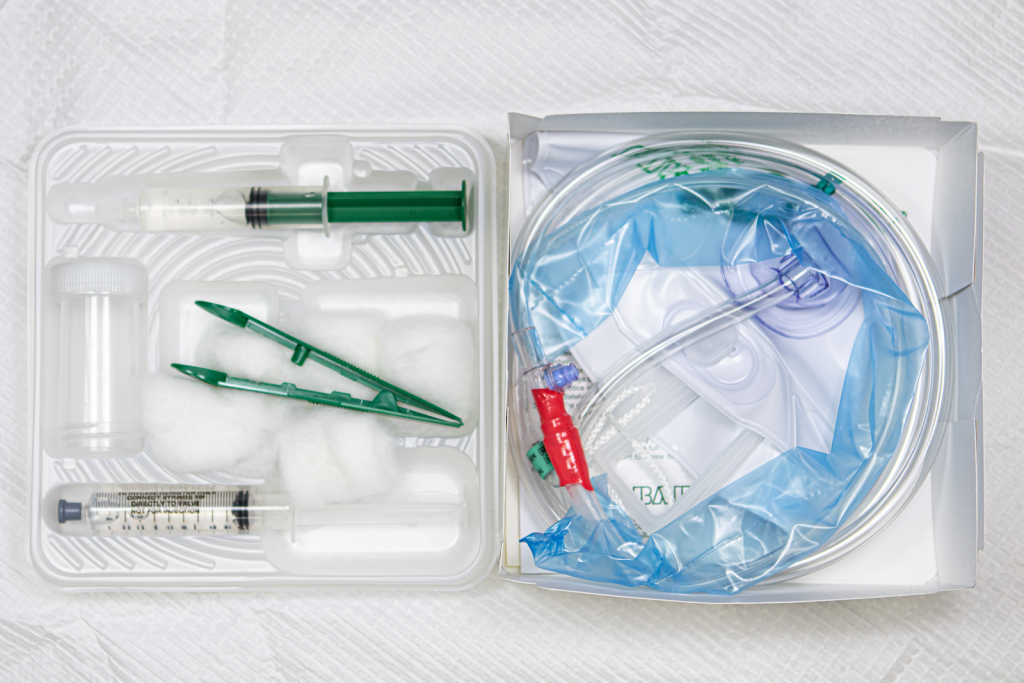
In medical care, catheterization is a common procedure used to manage urinary retention, monitor output, or assist with surgical recovery. Whether performed in a hospital, nursing facility, or home setting, the success of catheterization largely depends on the tools used—specifically, the catheter kit. Understanding what is included in a catheter kit and why each item matters help ensure better outcomes, reduced infection risks, and improved patient comfort.
In this article, we will explore the catheter kit through the lens of the user experience, walking through the typical stages of a catheterization procedure and highlighting how each component contributes to a safe, effective process.
Preparing the Environment: Sterility Comes First
The first step in any catheterization procedure is creating a sterile environment. Most catheter kits include:
1. Sterile gloves:
Essential for maintaining aseptic technique and preventing contamination.
2. Drapes:
Used to protect the surrounding area and create a clean working field.
3. Antiseptic solution and swabs:
Applied to the urethral area to reduce the risk of infection.
These items are foundational for preventing catheter-associated urinary tract infections (CAUTIs), one of the most common hospital-acquired infections. Clean technique is important, but sterile technique is best, and these tools support that standard.
Insertion: Accuracy and Comfort
Next comes the insertion stage, where precision and comfort are vital. This part of the kit often includes:
1. Pre-lubricated or lubricating jelly:
Reduces friction during insertion, minimizing trauma and discomfort.
2. Catheter (typically Foley):
The main component—usually a silicone or latex tube, selected based on size (French scale) and intended duration.
3. Syringe with sterile water:
Used to inflate the catheter’s balloon once inside the bladder, securing it in place.
Choosing the right catheter type and size is essential. Foley catheters are common for indwelling use, but intermittent and external options exist for other purposes. The lubricant ensures a smoother insertion process, especially important for patients with sensitivity or anatomical challenges.
Drainage Setup: Function and Monitoring
Once the catheter is inserted, the next focus is managing urine collection. For this, the kit may contain:
1. Drainage bag (leg or bedside):
Collects the urine. Leg bags are portable, while bedside bags are larger and used during hospitalization.
2. Tubing and connectors:
Link the catheter to the drainage bag and allow secure, leak-free collection.
3. Securement device or strap:
Keeps the catheter and tubing in place, preventing tugging and discomfort.
These components are not just for convenience—they also help prevent backflow and accidental dislodgement, which can lead to complications.
Clean-Up and Disposal: Finishing Safely
The final part of the procedure involves post-care:
1. Disposable wipes or towels:
For cleaning the patient and the surrounding area.
2. Biohazard or disposal bag:
Ensures safe handling and disposal of used items.
Maintaining hygiene after catheter insertion is as important as the insertion itself. Proper cleanup supports patient dignity and infection control.
Conclusion
A catheter kit might appear straightforward, but each item is carefully selected to support safety, comfort, and efficiency. From sterile gloves to drainage bags, every component plays a specific role in the success of the catheterization process.
Understanding what is inside the kit—and why it matters—empowers healthcare professionals and caregivers to provide the highest standard of patient care, every time.